
Five Months on from Big Oil’s Venezuela Skepticism
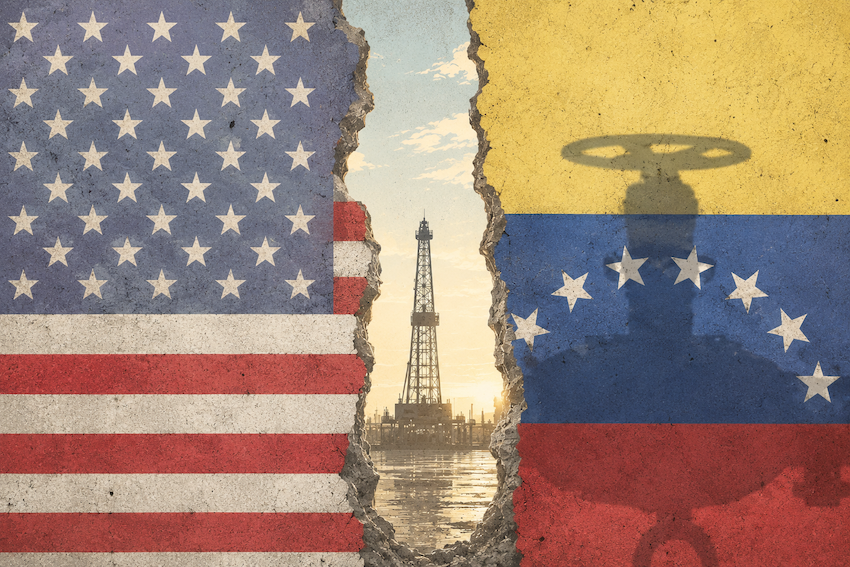
In January, following the Trump administration’s rendition of Nicolás Maduro and a much-discussed White House meeting with oil & gas executives, we took the view in our blog Picky Sisters: What Big Oil Thinks About Venezuelan Oil that the supermajors would likely not commit significant new capital to work in Venezuela. ExxonMobil CEO Darren Woods said the country was “un-investable” to the President’s face, and Treasury Secretary Bessent acknowledged that large, board-governed companies weren’t interested.
So, has our view held up? Mostly.
Venezuela’s upside case has improved
Our assessment of the market follow-through played out roughly as we described. In particular, the sell-off in Canadian oil sands producers, whose heavy crude competes with Venezuelan barrels for U.S. refining capacity, was indeed short-lived.
And we think our broader point stands. Venezuelan reserves remain what they were: massive in theory, largely impractical to develop in the near term, and unattractive relative to alternatives in a well-supplied market.
“A C-suite shift from ‘no’ to guarded optionality doesn’t change any of these realities.”
Following U.S. and Israeli action in Iran, the global oil supply has been severely constrained. The resulting higher oil prices from the blockade of the Strait of Hormuz and Office of Foreign Assets Control sanctions relief for Venezuela appear to have softened the views of Woods and co. Last month Reuters reported that ExxonMobil and ConocoPhillips were in active discussions with acting Venezuelan President Delcy Rodríguez’s government over durable contract terms and the resolution of their previously nationalized corporate assets.
Venezuela’s May oil exports jumped by 61% year-over-year, and the upside case has indeed improved. But the crude in Venezuela’s Orinoco Belt remains extra-heavy, sour, capital-intensive, and sitting beneath layers of geopolitical risk. A C-suite shift from “no” to guarded optionality doesn’t change any of these realities, and it doesn’t mean the supermajors are abandoning their capital discipline. While we remain skeptical of a swift resumption of flows through the Strait, this Friday’s pending MOU signing aside, its eventual re-opening will test the seriousness of Big Oil’s ambitions in Venezuela.
Capital is returning, Commitment is not
Beyond the integrated oil companies, some institutional investors, seeking direct exposure to underperforming Venezuelan oil assets they believe can be recapitalized and scaled quickly, have several new investment vehicles available to them. But even those on this frontier are moving cautiously. Many of these deals are only at the letter-of-intent or due-diligence stage, reflecting unresolved execution, political, and regulatory risks.

David Root
Head of Product Management

Head of Product Management